The Rhythm of Solitary Harbors: Slow Living Along the Ligurian Edge
By Alessandro Rossi, Senior European Correspondent for 111111 Travel Gazette
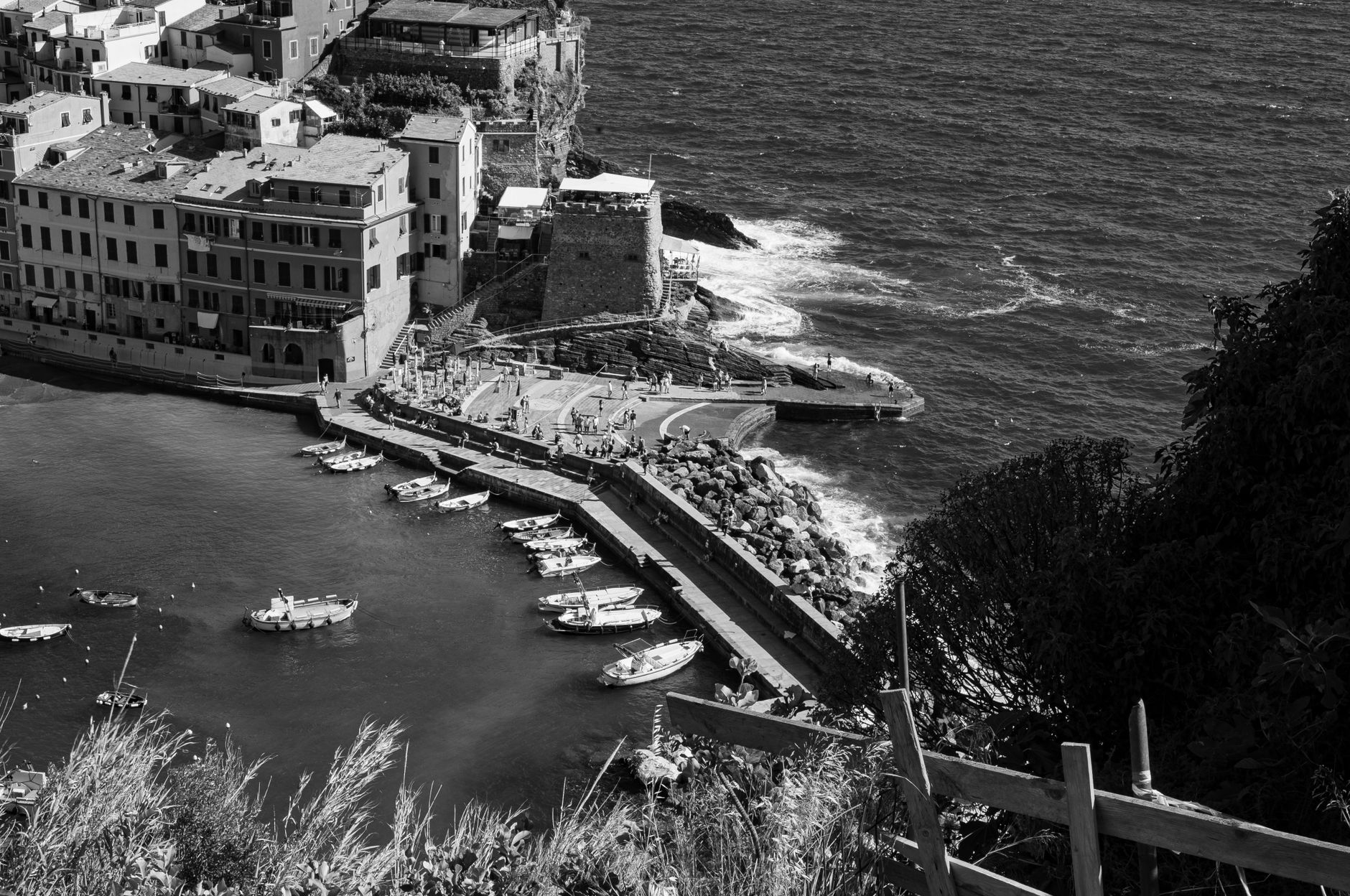
Table of Contents
There is a fleeting fortnight in late October when the summer parasols of the Italian Riviera have vanished into basement storerooms, leaving only the sound of turquoise rollers slapping against weathered Roman jetties. To witness the Ligurian crescent during this interlude is to understand the region not as a photographic postcard for millions, but as a resilient sanctuary shaped by terrace farming and maritime fortitude.
1. The Arrival in October Mist
Stepping from the single-track coastal train at Camogli, the air carries a crisp fragrance of brine and damp wild rosemary. The towering pastel houses—painted in shades of saffron, terracota, and faded rose—stand like tall maritime sentinels. Their trompe-l'œil shutters, painted directly onto limestone plaster, mimic architectural cornices that early sea captains could never afford to carve from genuine marble.
We walk along the pebbled shore where old wooden gozzi boats are pulled high onto the gravel slipway. Local fishermen, their hands leathery and stained with diesel oil, mend emerald-green nylon nets while exchanging brief remarks in their clipped, Genoese dialect.
2. Architecture of Stone and Sea-Salt
To ascend the mule tracks above San Fruttuoso is to enter a vertical world. Over seven centuries, Benedictine monks and peasant vintners built drystone retaining walls (muretti a secco) by hand, creating narrow shelves of fertile loam on nearly perpendicular slopes. Here, olive trees of the Taggiasca variety cling to slate ledges, their leaves shimmering silver in the late afternoon sun.
“A coastline that demands physical effort to inhabit will always protect its dignity far better than flat sands accessible by highway.”
The vernacular homes incorporate thick slate slabs (ardesia) on their roofs, angled precisely to withstand the sudden winter gales that cascade down from the Apennine ridge. Inside these homes, high ceilings and narrow windows create a natural thermal draft, rendering modern air conditioning entirely superfluous.
3. The Harvest Table: Oil, Basil, and Sea Bream
In the village of Moneglia, we join the family at an osteria whose kitchen has not modified its menu since 1952. Lunch begins with freshly baked focaccia di Recco, bubbling with creamy prescinseua cheese, followed by trofie pasta rolled by hand and coated with sweet basil, garlic, pine nuts, and the first greenish-gold oil pressed from the morning harvest.
There is no sommelier reciting floral notes. Instead, chilled bottles of Pigato and Vermentino are set upon rough linen tablecloths. The wine tastes faintly of flint, wild thyme, and sea salt—a direct reflection of the steep vineyard slopes upon which its grapes ripened.
4. Practical Advice for Mindful Travelers
- Optimal Window: Arrive between October 15 and November 20. Daytime temperatures hover comfortably at 18°C, and rainstorms are quickly chased away by brisk northerly winds.
- Mobility: Abandon personal automobiles. The coastal railway runs every twenty minutes and drops travelers directly at historic village centers without parking distress.
- Footwear: Genuine mountain hiking boots with lugged soles are essential. The limestone coastal paths are frequently polished smooth by centuries of foot traffic and become treacherous when damp.
Curating Your Private Italian Voyage
Our European desk specializes in mapping boutique village itineraries, seasonal vineyard bookings, and historic rail excursions.
Consult Our Concierge