In Praise of Shadows: Architecture and Culinary Reverence in Uji
By Kenji Takahashi & Helena Vance, Architectural Bureau
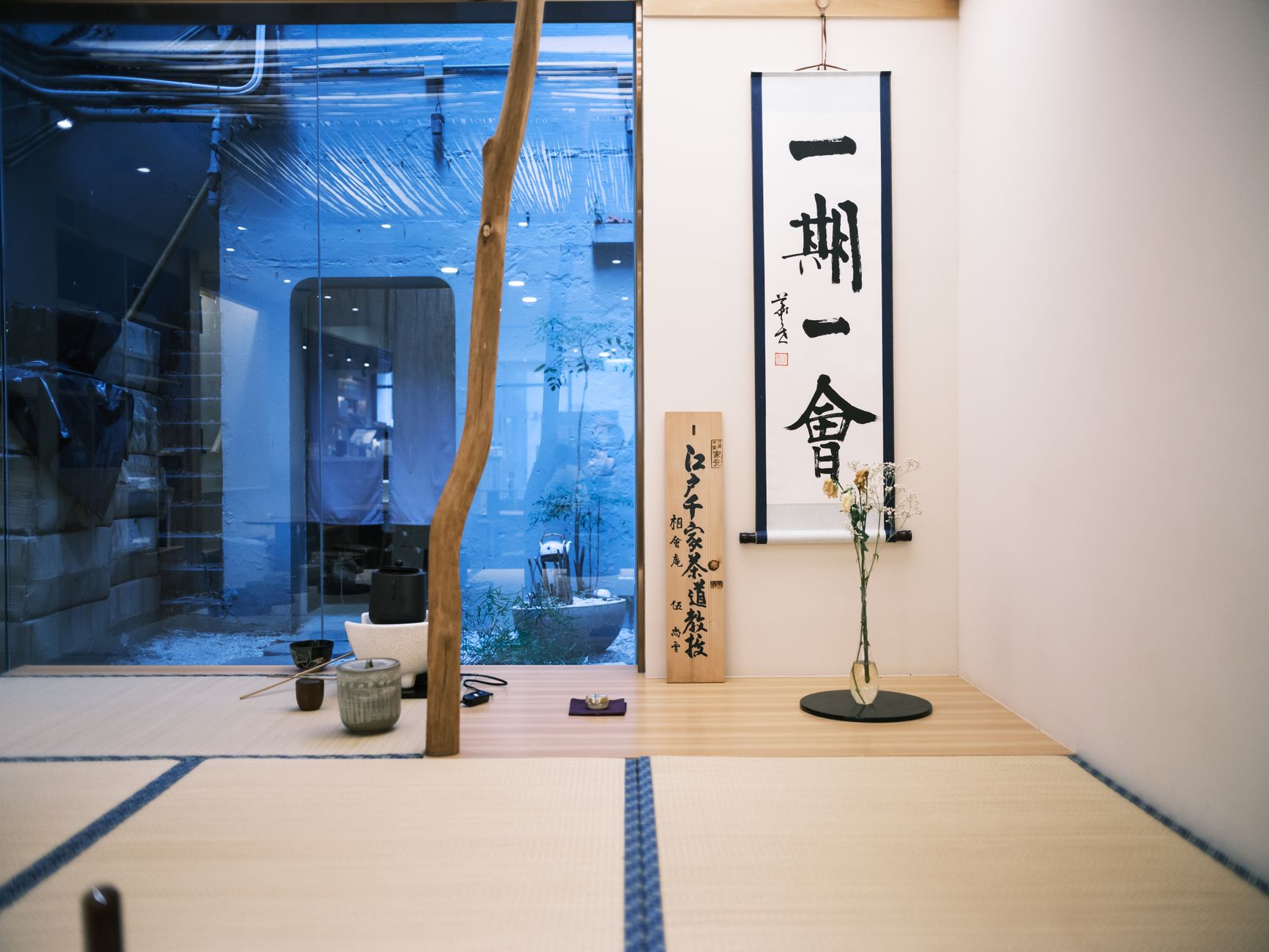
Table of Contents
South of Kyoto, where the swift waters of the Uji River spill from Lake Biwa through steep mountain gorges, morning fog gathers over dark green tea terraces. For over eight hundred years, this moist microclimate has nurtured Japan's most celebrated matcha crops. Yet to understand the culinary depth of Uji, one must first study the wooden architecture designed to receive it.
1. River Mists Along the Uji-gawa
Long before western tourists flooded the bamboo groves of Arashiyama, poets of the Heian court retreated to Uji for solitude. Here, the river runs with an icy clarity that reflects cedar-forested mountains. Waterwheels and stone lanterns sit along the embankments, their moss-covered surfaces testament to centuries of relentless humidity.
Walking along the southern river path at dawn, the only sound is the rhythmic scrape of bamboo brooms wielded by temple groundskeepers. Their movements are measured, sweeps calculated to clear fallen pine needles without disturbing the moist soil beneath.
2. Timber That Breathes: Sukiya Architecture
In traditional sukiya-zukuri teahouses, beauty is not demonstrated through gilded ostentation, but through the deliberate restraint of natural materials. The walls are finished with rough clay mixed with rice straw; the ceilings are woven from strips of split cedar; and the pillars are made of unpeeled tree trunks that retain their organic curves.
“We find beauty not in the thing itself, but in the patterns of shadows, the light and the darkness, that one thing provides against another.” — Jun'ichirō Tanizaki
No iron nails are used in these structures. Master joiners (miyadaiku) cut intricate mortise-and-tenon joints that allow the building to flex silently during seismic tremors and breathe with the seasonal expansion of summer humidity and winter dryness.
3. The Sacred Geometry of Green Powder
At an ancestral plantation that has supplied ceremonial grade leaf to Urasenke tea masters for sixteen generations, we observe the spring shading technique (oishita saibai). Reed screens and dark rice straw are suspended over the tea bushes for twenty days prior to harvest, depriving the tender shoots of sunlight and forcing the plant to generate intense chlorophyll and L-theanine.
When whisked in warm water using a single piece of carved bamboo, the resultant liquor is not bitter. It carries an umami depth comparable to rich kombu broth, coating the palate with floral freshness that lingers for hours.
4. Traveler Etiquette in Traditional Sanctuaries
- Footwear Protocol: Always wear clean, opaque white socks when entering tatami spaces. Bare feet or dirty soles are considered an offense to both host and craftsman.
- Photography: Do not photograph inside tearooms while a host is preparing charcoal or tea unless explicitly invited to do so. The ceremony is an exercise in mutual presence, not content production.
- Fragrance: Refrain entirely from synthetic perfumes, colognes, or scented lotions. Strong aromas interfere with the delicate appreciation of incense and matcha.
Inquire for Architectural Guidance
111111 facilitates private access to historic machiya estates and exclusive tea plantations throughout the Kansai region.
Contact Our Desk